

Haddar
Civilization in an Uncivilized Land
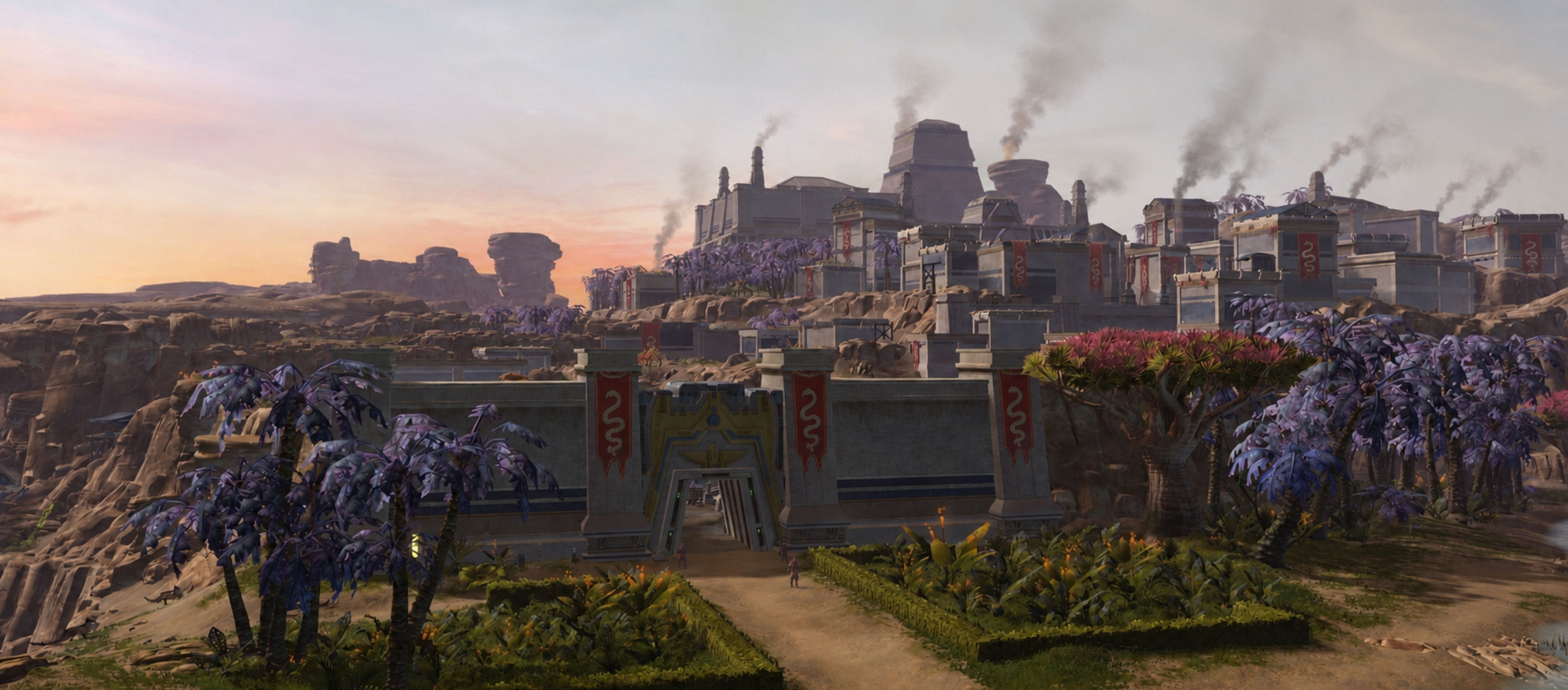
Nestled within one of the few sheltered valleys of southern Varkesh, Haddar is a modest but prosperous settlement of approximately thirty thousand inhabitants. While the frozen continent is infamous for its unforgiving wilderness, Haddar enjoys a comparatively mild climate thanks to its position south of the great mountain ranges. Winters remain long and bitterly cold, and powerful blizzards frequently descend from the northern peaks, yet the settlement is spared the constant, life-threatening conditions that dominate much of the continent. During the warmer months, evergreen forests cloak the surrounding hillsides, streams flow from the mountains, and hardy vegetation lends the valley a rare touch of colour amidst the frozen north.Civilization in an Uncivilized Land
For generations, Haddar served as a vital economic hub for southern Varkesh. Logging camps harvest the dense forests surrounding the valley, while mines delve deep into the mountains in search of valuable minerals. Most important of all are the diamonds and precious gemstones discovered within the nearby peaks. These exports brought considerable wealth to the settlement, attracting merchants, prospectors, and traders from across Ekirus.
Before the war, Haddar was regarded as one of the most pleasant communities on the continent. Broad plazas, carefully maintained gardens, and bustling caffa houses formed the heart of daily life. Citizens gathered beneath covered arcades to exchange news, conduct business, and enjoy the relative comforts that the settlement offered. The people of Haddar were known for being polite, practical, and resilient, traits common amongst the frontier communities of Varkesh.
That peaceful existence has been shattered.
Several weeks ago, Haddar fell to the forces of the Patron during their invasion of Ekirus. Although the bulk of the occupying army has since moved south to support larger military operations, a garrison remains behind to maintain control of the settlement. Their numbers are relatively small, but their methods are brutally effective. Public executions, disappearances, arbitrary arrests, and collective punishments have become common tools of occupation. Informants are rewarded, dissent is crushed swiftly, and fear has become as much a part of daily life as the cold winds that sweep down from the mountains.
The war has also crippled Haddar's connection to the wider world. Prior to the invasion, a steady stream of civilian shuttles and freighters carried gemstones, timber, machinery, and passengers between the settlement and the prosperous cities further south. Those vessels are now gone. Some were destroyed during the conquest, while others were seized outright by the Patron's forces and pressed into military service. Those deemed useful now haul troops, munitions, and supplies to distant battlefields, while many of the remainder sit abandoned as stripped wrecks around the outskirts of the settlement.
The city's modest spaceport has been transformed into a military installation, guarded day and night by occupation troops. Civilian travel is tightly restricted, and few residents possess the means to leave even if they wished to. The mountains that once protected Haddar from the dangers of the wider world now feel more like the walls of a prison.
The plazas remain. The caffa houses still open their doors each morning. Merchants continue to trade and children still play in the streets. Yet conversations fall silent whenever soldiers pass nearby. Windows are shuttered earlier than before, and entire districts become eerily quiet after dark. Beneath the outward appearance of normality, Haddar has become a frightened city living beneath the shadow of terror.
Now, with rumours spreading of Darth Véhemen's offensive against the Patron's forces and distant reports of fierce battles raging across Ekirus, many residents quietly wonder whether liberation is approaching, or whether even darker days lie ahead.